The 4 C's
How can you purchase a diamond you adore while staying within your budget? Start by identifying the 4Cs quality factors that matter most to you.
Carat
The weight of a diamond is expressed in carats, playing a crucial role in its value. Generally, heavier diamonds are rarer and pricier. However, it’s vital to note that weight isn’t the sole factor influencing value. Diamond quality matters significantly.
The magic number of 1-carat; diamonds over 1 carat are progressively more expensive due to their larger size. Additionally, round carat numbers are often pricier. The difference between 0.9 carat and 1.0 carat may be barely visible but can have a major effect on the value. For instance, a 1-carat diamond might cost more than a 1.4-carat one.
Carats are classified according to this scale: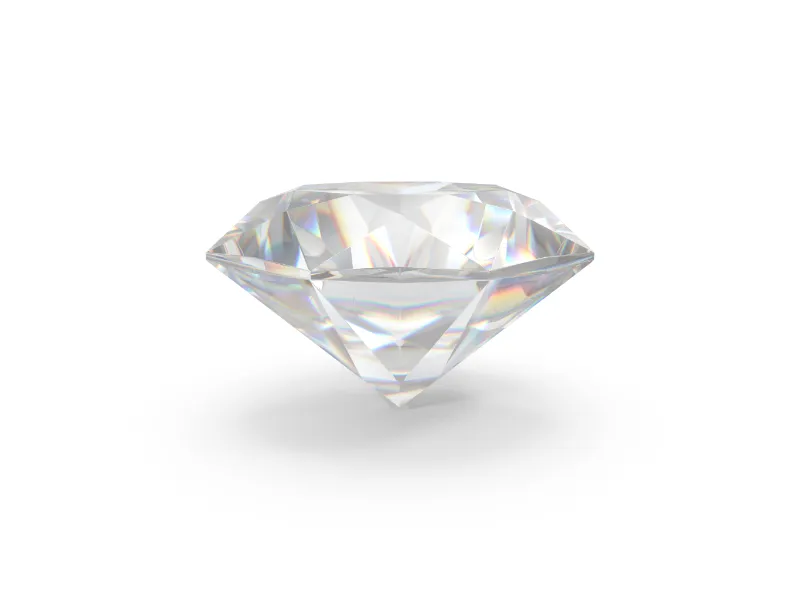


Clarity
Crystal clear
Diamond clarity signifies how free a diamond is from internal and external flaws, we call these flaws inclusions. A diamond without these imperfections is rare and more valuable.
Clarity is rated on a scale from Flawless to Included. It’s crucial to note that most flaws are visible only under magnification, and some don’t impact the diamond’s sparkle.
Cut
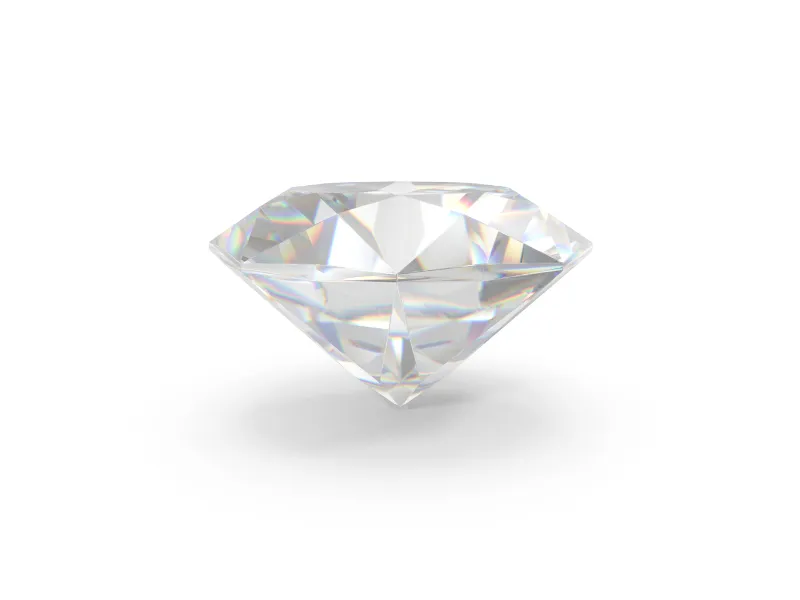
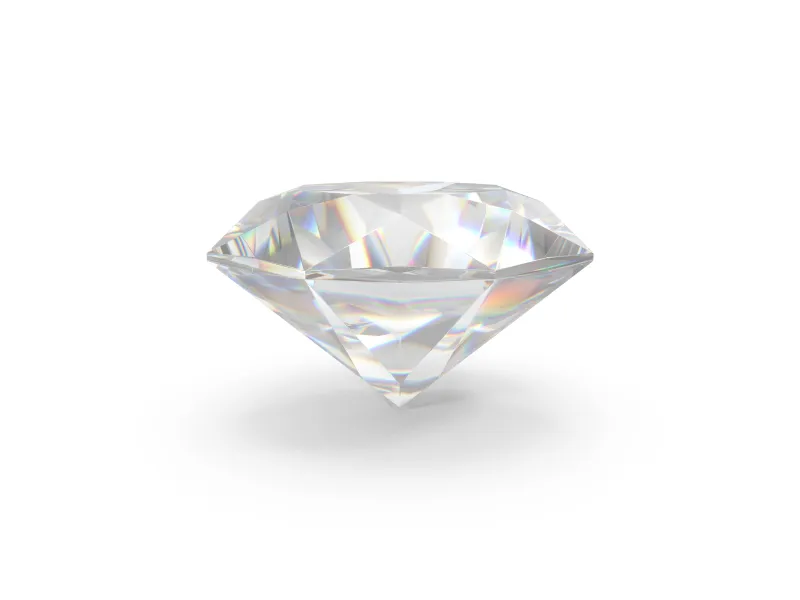
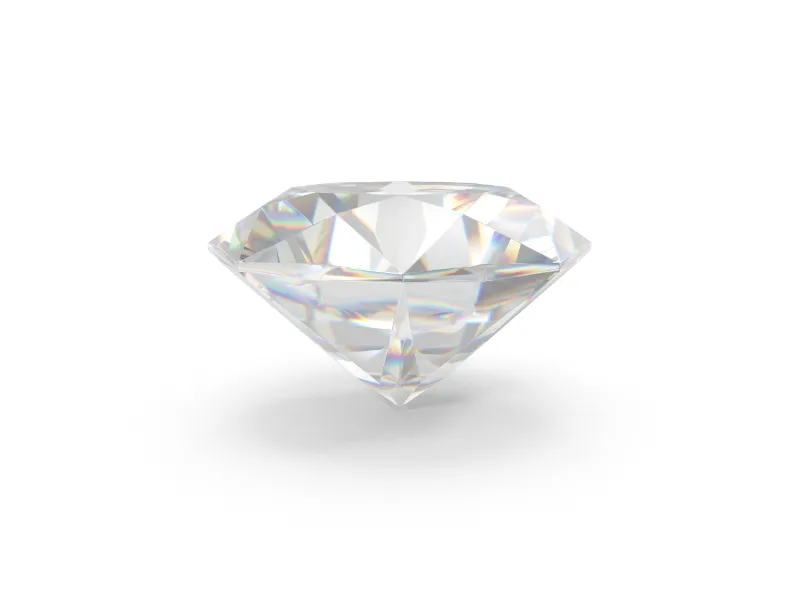
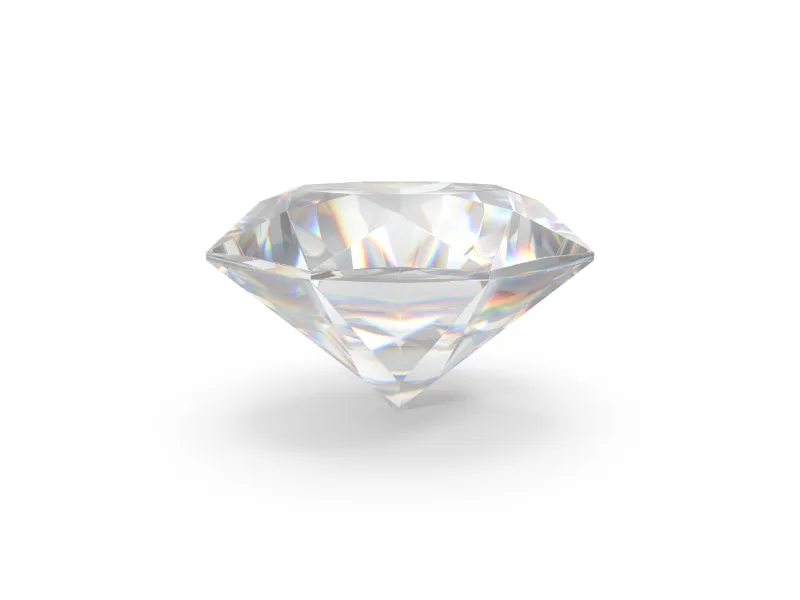
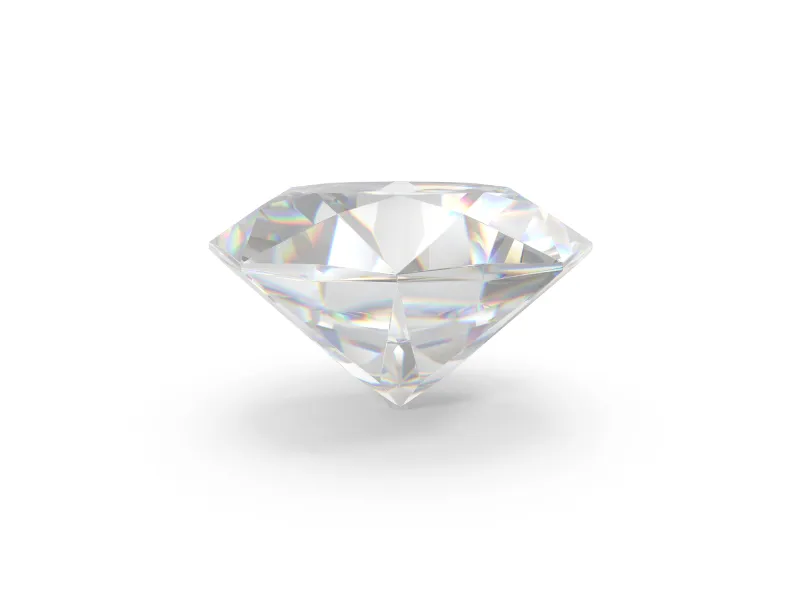
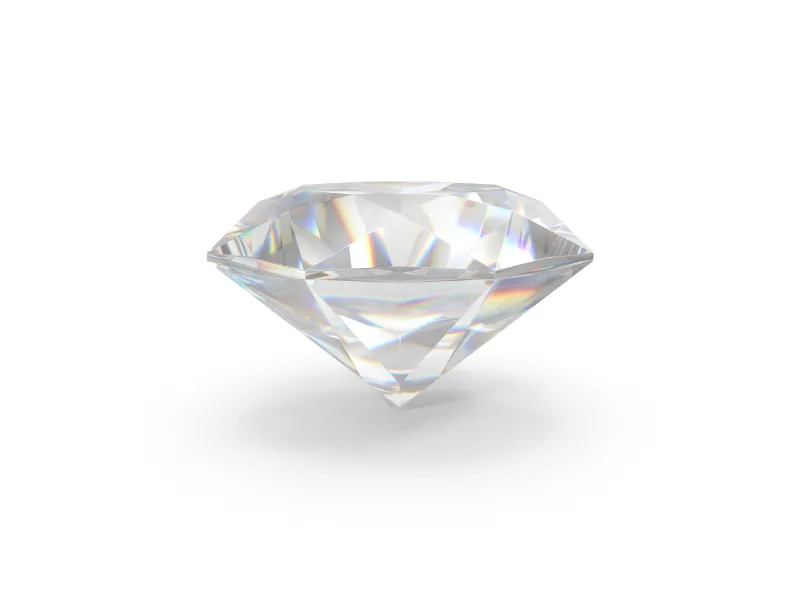
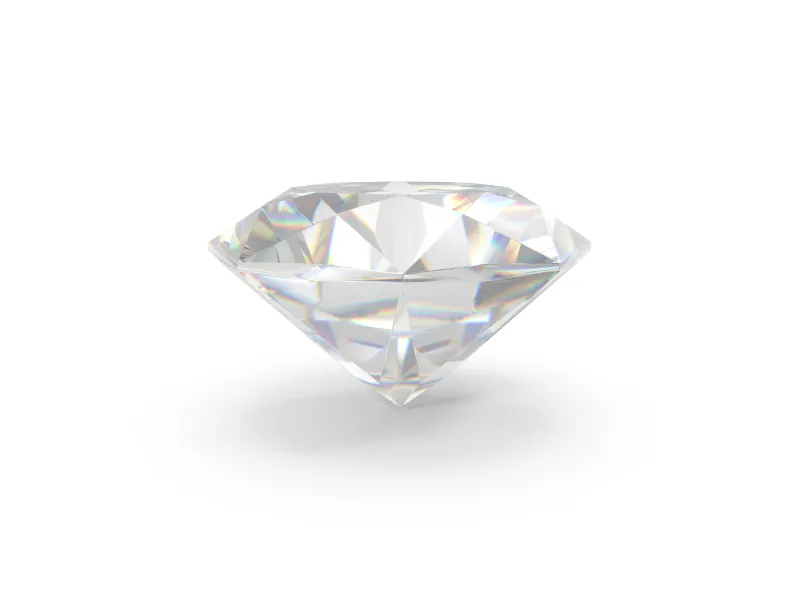
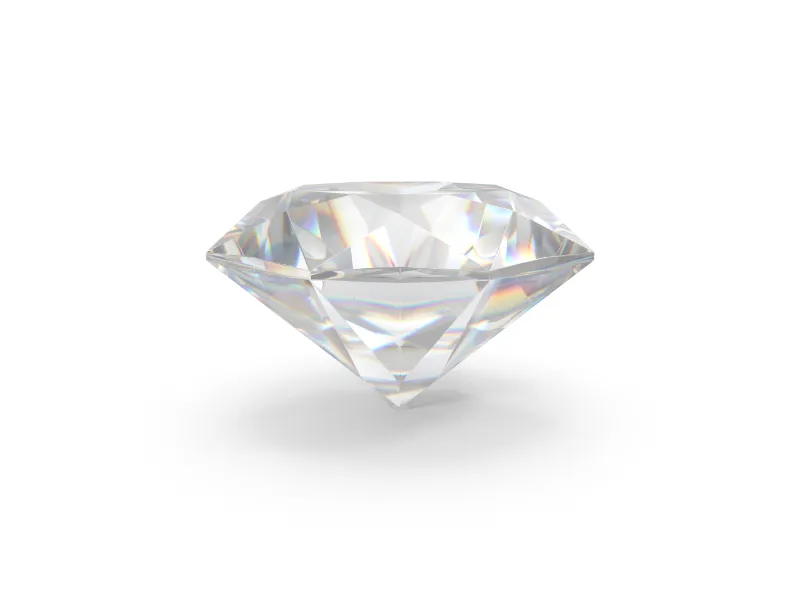
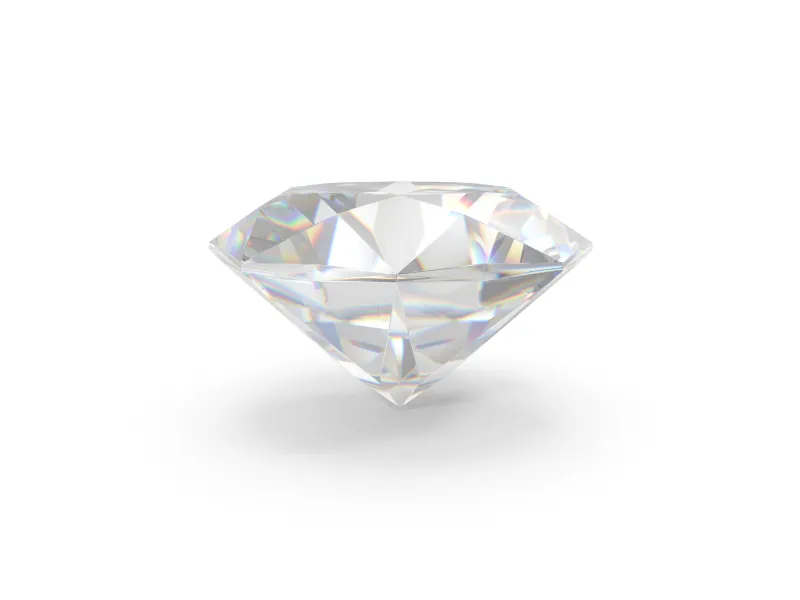
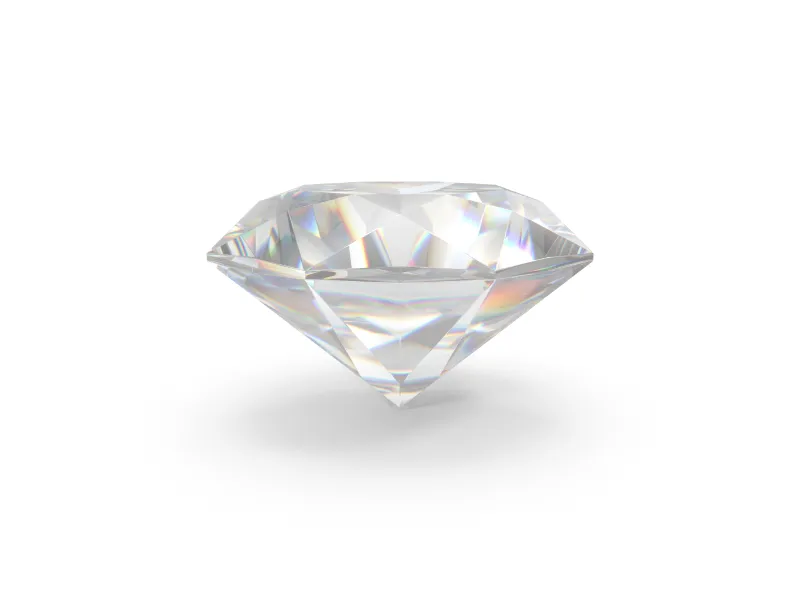
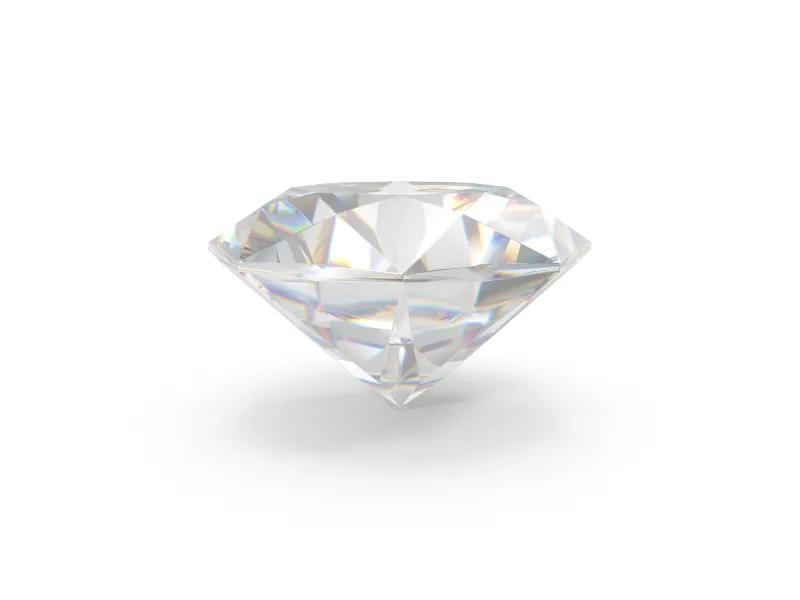
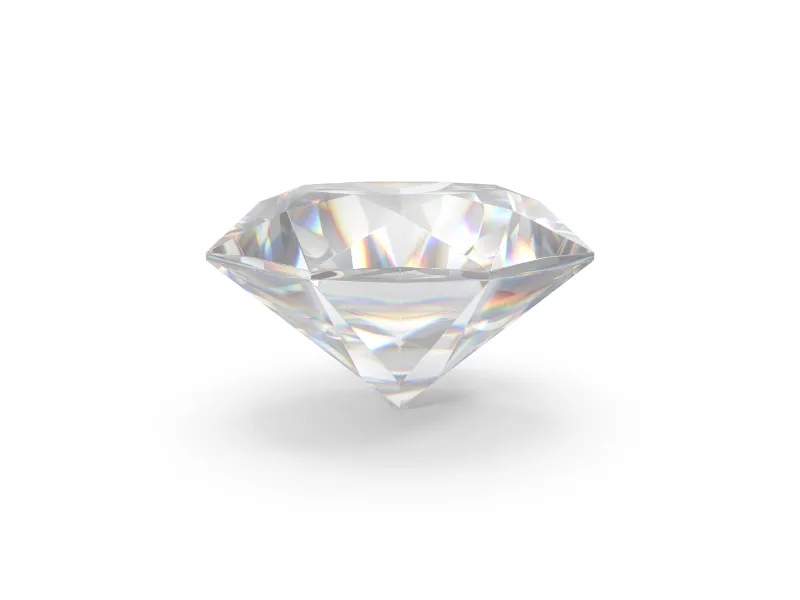
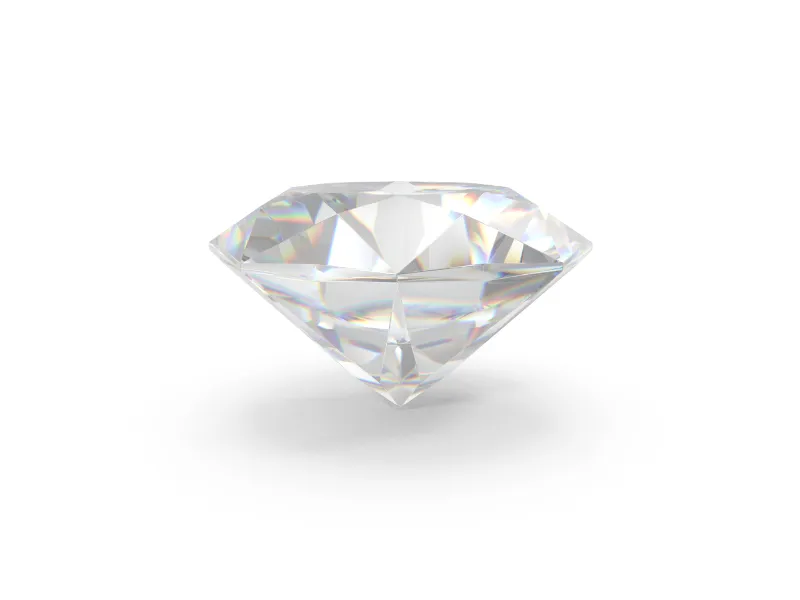
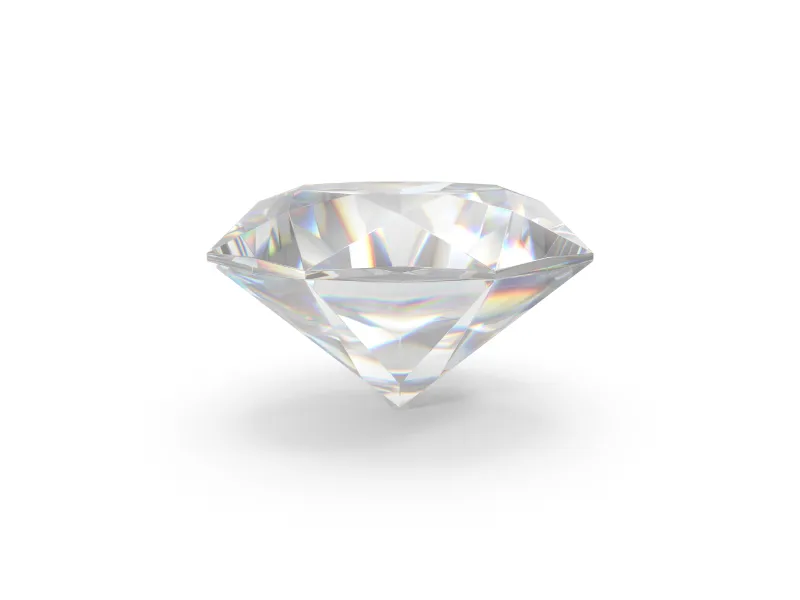
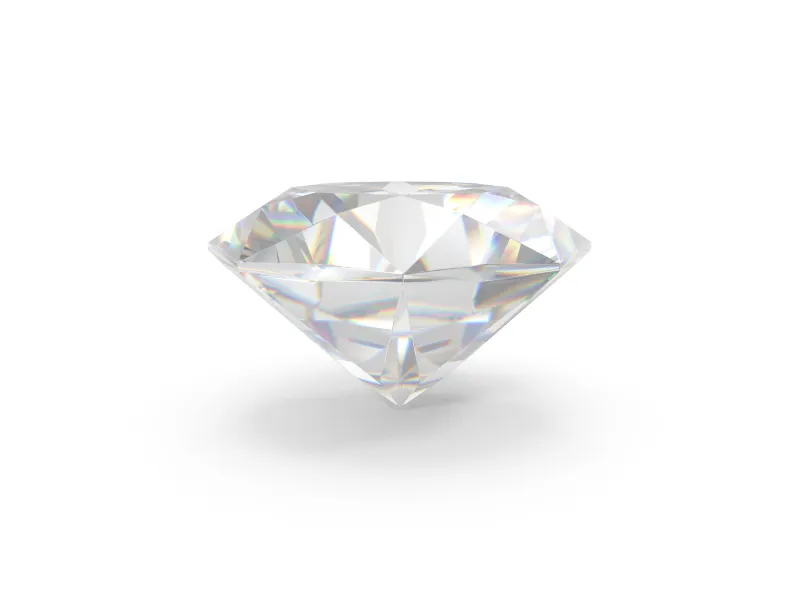
The way a diamond is cut significantly impacts its brilliance and overall look. A well-cut diamond shines brightly, enhancing its beauty, while a poorly cut one might appear dull and lifeless. Popular cuts include round, emerald, pear, and oval.
We also offer our own exclusive cut called the Royal Lady 268.


Understanding
Diamond Cut vs. Shape
As previously mentioned, there are numerous intricate diamond shapes tailored to individual preferences. It’s common for people to use the terms “cut” and “shape” interchangeably. Some people think that the cut refers specifically to the diamond’s shape rather than the facets. For example, the round shape is the most prevalent style in the diamond industry.
In the GIA grading system, cut quality assesses the overall components from top to bottom, including the table, crown, girdle, and pavilion, key terminologies in the diamond world. Typically, a round diamond features 57 or 58 facets, with the 58th being a tiny facet at the bottom of the pavilion, referred to as the culet. The large facet on top is called the table.
The proportions of a diamond’s cut evaluate the relationship between the table size, crown angle, and pavilion depth. A variety of proportion combinations exist, which ultimately influence how the stone interacts with light and its overall showcasing to the viewer. (GIA, 2026)
Therefore, the diamond’s cuts, facets, and the proportions among the table, crown, and pavilion can significantly alter the overall appearance of the diamonds presented. The greater the number of facets, the more brilliant the diamond.
At Royal Diamonds Amsterdam, we offer the exclusive cutting technique, featuring the highest number of facets on a single diamond—268 facets. This unique cutting method is exclusively crafted by Royal Diamonds Amsterdam. (Royal Diamonds Amsterdam, 2026)
Color
Understanding color is crucial when choosing the perfect diamond. Interestingly, most high-quality diamonds are valued for their lack of color. A chemically pure and structurally flawless diamond is completely colorless, like a drop of pure water, making it more valuable. The D-to-Z diamond color-grading system assesses this degree of colorlessness by comparing stones to masterstones under controlled lighting.
These color differences can be incredibly subtle, often undetectable to the untrained eye. However, they significantly impact diamond quality and price. Our experts can help you with picking the perfect diamond.

- D
- E
- F
- G
- H
- I
- J
- K-M
- N-R
- S-Z
- Fancy
Certification
Quality guaranteed
All of our diamonds are accompanied by a certificate issued by one of the following companies: